Empowering Cancer Care: Discover Effective Treatment Options and Wellness Tips for Survivors
Navigating your treatment journey can feel like standing on a tightrope, with the weight of uncertainty on one side and hope on the other. The realm of oncology is vast and intricate, filled with a multitude of treatment options that can often leave patients feeling overwhelmed. But remember, you're not alone in this voyage; seasoned oncologists and supportive healthcare professionals are your guiding stars, illuminating the path ahead. How can we ensure we’re making informed decisions in our cancer care journey, and what insights do oncology experts have to share?
Engaging in a dialogue with your oncologist is crucial. It’s not merely about following a treatment plan; it’s about forging a partnership. During your conversations, ask insightful questions like, 'What are my treatment options?', 'How will this affect my daily life?', or 'What clinical trials are currently available that might suit my prognosis?' As eloquently stated by a fellow survivor, 'Knowledge is empowering—every question I asked unraveled a thread of clarity in my treatment journey.' Seeking patient education is not only beneficial but essential in navigating effective cancer care.
While any cancer diagnosis may feel like a heavy burden, the importance of early detection cannot be overstated. Research studies consistently show that early intervention can lead to improved outcomes and a more extensive array of treatment options. Preventive care, including regular screenings and lifestyle changes, might seem like simple steps, but they can have enormous implications. Have you booked your next check-up? Connecting with support groups can also help you stay motivated, as survivor stories inspire courage and resilience—essential ingredients to facing the challenges that arise.
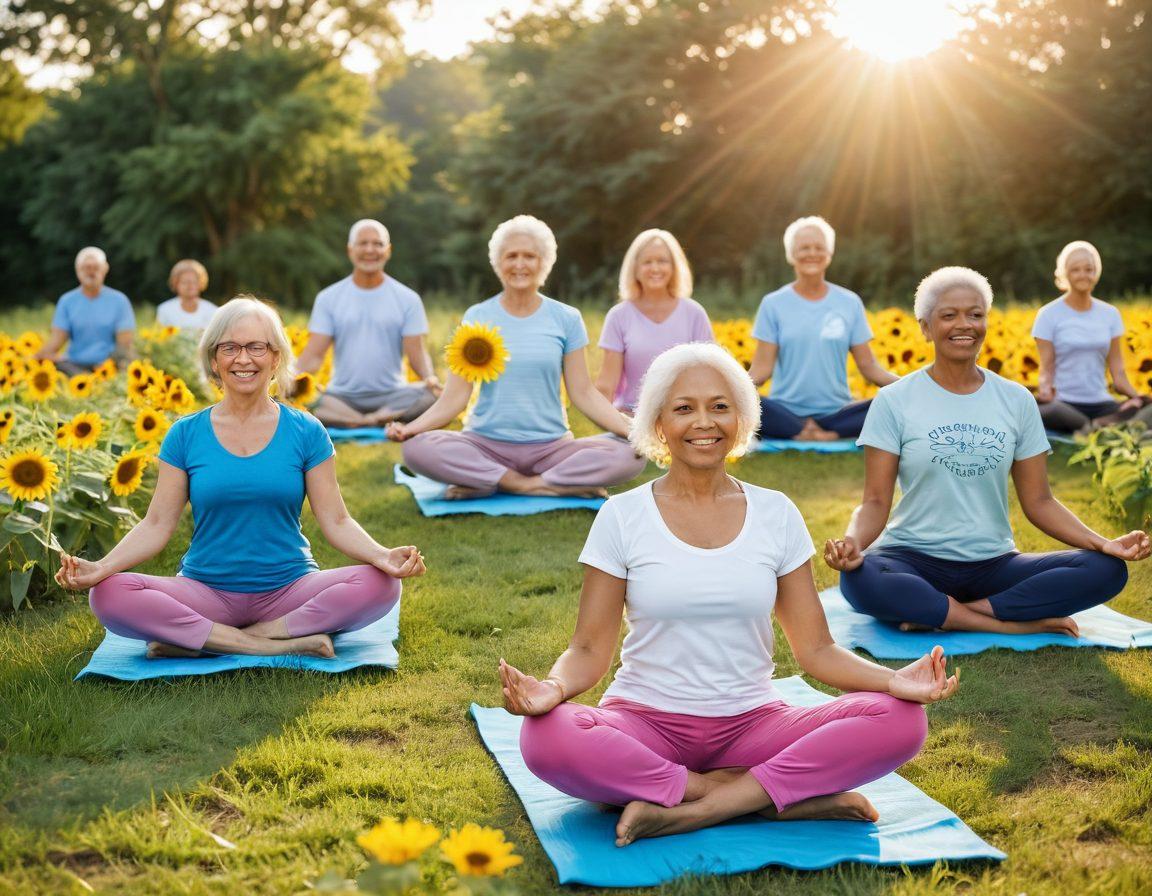
Incorporating alternative therapies into your treatment plan is an increasingly popular approach within the oncology community. Many survivors find solace and support in holistic health practices, such as mindfulness, acupuncture, or nutrition for cancer patients. These modalities can offer valuable symptom management and enhance your overall wellness journey. As you explore these options, have you pondered how they could seamlessly integrate with your existing medical treatments?
Lastly, never underestimate the power of community support. Finding a network of cancer advocates or participating in cancer awareness initiatives can provide emotional and practical assistance during your treatment journey. The conversation surrounding mental health is equally crucial. As you traverse this path, remember to prioritize your emotional well-being and lean on the healthcare resources at your disposal; after all, survivors often say, 'We’re stronger together.' By harnessing the insights from oncology experts and focusing on both physical and mental wellness, you can navigate this journey with renewed hope and courage.
Wellness Strategies for Survivors: Nutrition, Mental Health, and Lifestyle Changes
When faced with a cancer diagnosis, your journey to recovery can feel overwhelming. However, survivors have proven that embracing effective wellness strategies can pave the way for restored health and resilience. Nutrition, mental health, and lifestyle changes play critical roles in this transformative journey, creating a roadmap for empowerment and healing. With cancer care evolving through innovative treatment options and research studies, there's never been a better time to explore ways to thrive after battling this disease. So, how do survivors navigate this path? Let's dive in and discover the wellness tips that can enhance your quality of life.
Nutrition is often touted as the cornerstone of wellness during cancer treatment. Think about it: What fuels our bodies can significantly impact our mood, energy levels, and overall health. Nutritional choices for cancer patients aren't just about managing symptoms; they are about nurturing the body after enduring grueling treatments that affect it physically and mentally. Incorporating nutrient-rich foods such as leafy greens, whole grains, and lean proteins can support recovery and strengthen the immune system. As research studies continue to evolve, the connection between diet and oncology becomes clearer. Remember what one survivor said, 'Food is not just fuel; it’s medicine!' How are you planning to nourish your body today?
Mental health is another essential aspect that cannot be overlooked. Anyone who has traversed the path of cancer understands the mental toll it can take. Anxiety, depression, and fear of recurrence can be daunting daily battles. That's why seeking patient support through support groups or individual therapy is vital. Engaging with others who understand your struggles offers a sense of community and solace. As one oncologist wisely put it, 'Healing doesn’t just happen in the body; it ripples through the mind and spirit.' Have you considered dedicating time to your mental wellness?
Lifestyle changes can also play a pivotal role in post-cancer care. Families of cancer patients often wonder how they can best support a loved one through this transition. It's essential to foster an environment that encourages activity, mindfulness, and healthy habits. Whether it’s starting a new hobby, adopting a regular exercise routine, or prioritizing sleep, these modifications can significantly improve your prognosis and overall well-being. Engage in preventive care, making conscious decisions that align with a healthier lifestyle. What new changes can you embrace to enhance your quality of life?
Finally, remember that cancer advocacy goes beyond treatment; it extends to empowering yourself with knowledge and resources. Patient education about alternative therapies, clinical trials, and symptom management can help you make informed decisions alongside your oncologist. Engage with health resources available in your community. Whether through a health blog, survivor stories, or local workshops, each piece of information strengthens your ability to navigate your cancer care journey. In the wise words of a determined survivor, 'My diagnosis doesn’t define me; I define how I live with it.' What steps will you take today to seize control of your health?
Harnessing Community Support: Empowering Resources and Survivor Stories in Cancer Care
When faced with a cancer diagnosis, the journey can feel overwhelming, akin to standing at the edge of a vast ocean of uncertainty. Yet, amidst this turbulent sea, one of the most powerful lifelines can be found in community support. Harnessing resources and survivor stories not only bolsters our spirits but also provides tangible guidance in cancer care. From oncology insights to wellness tips, a supportive network can transform the daunting path of treatment options into a shared journey toward healing.
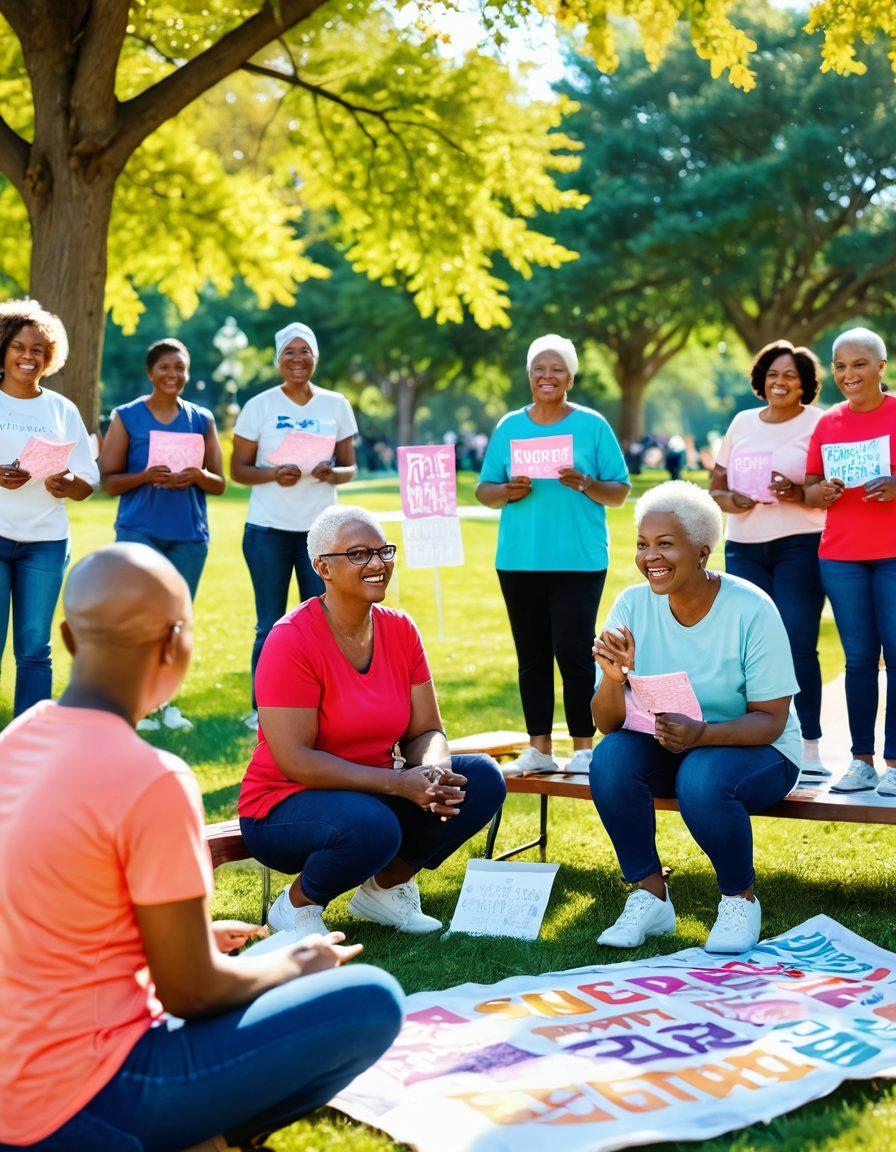
Imagine being in a room filled with people who have walked a similar path—sharing their triumphs and struggles, and offering insights that can only come from lived experiences. This is the essence of support groups in cancer care. These groups provide a vital platform for patient support, where individuals can discuss treatment plans, symptom management, and even the mental health aspects that often accompany a cancer diagnosis. Have you ever considered how powerful it can be to connect with someone who truly understands your journey?
Research studies highlight the importance of patient education and the role it plays in empowering those facing cancer. Understanding the intricacies of early detection, preventive care, and available treatment options can significantly influence prognosis and quality of life. By engaging with healthcare professionals, oncologists, and cancer advocates, patients can navigate their choices more effectively and participate actively in clinical trials that spark hope for future advancements in cancer treatment. How can we leverage these educational platforms to build a more informed community?
Survivor stories serve as beacons of hope, illuminating the way for others still in the fight. These narratives often encompass everything from lifestyle changes, nutrition for cancer patients, to holistic health approaches that enhance overall well-being. When survivors share their experiences, they not only inspire but also empower others by providing actionable wellness tips and practical advice rooted in real-life journeys. What wisdom can we glean from their tales of resilience and determination?
Ultimately, harnessing community support in cancer care transcends mere resource sharing; it creates an environment where hope flourishes. With a robust network, we can amplify cancer awareness and shine a light on alternative therapies, palliative care options, and the importance of mental health. We're all in this together, and through collaboration, education, and compassion, we can foster a world where no one walks this path alone. As we champion initiatives for patient support and share our survivor stories, how can YOU contribute to this empowering movement?